
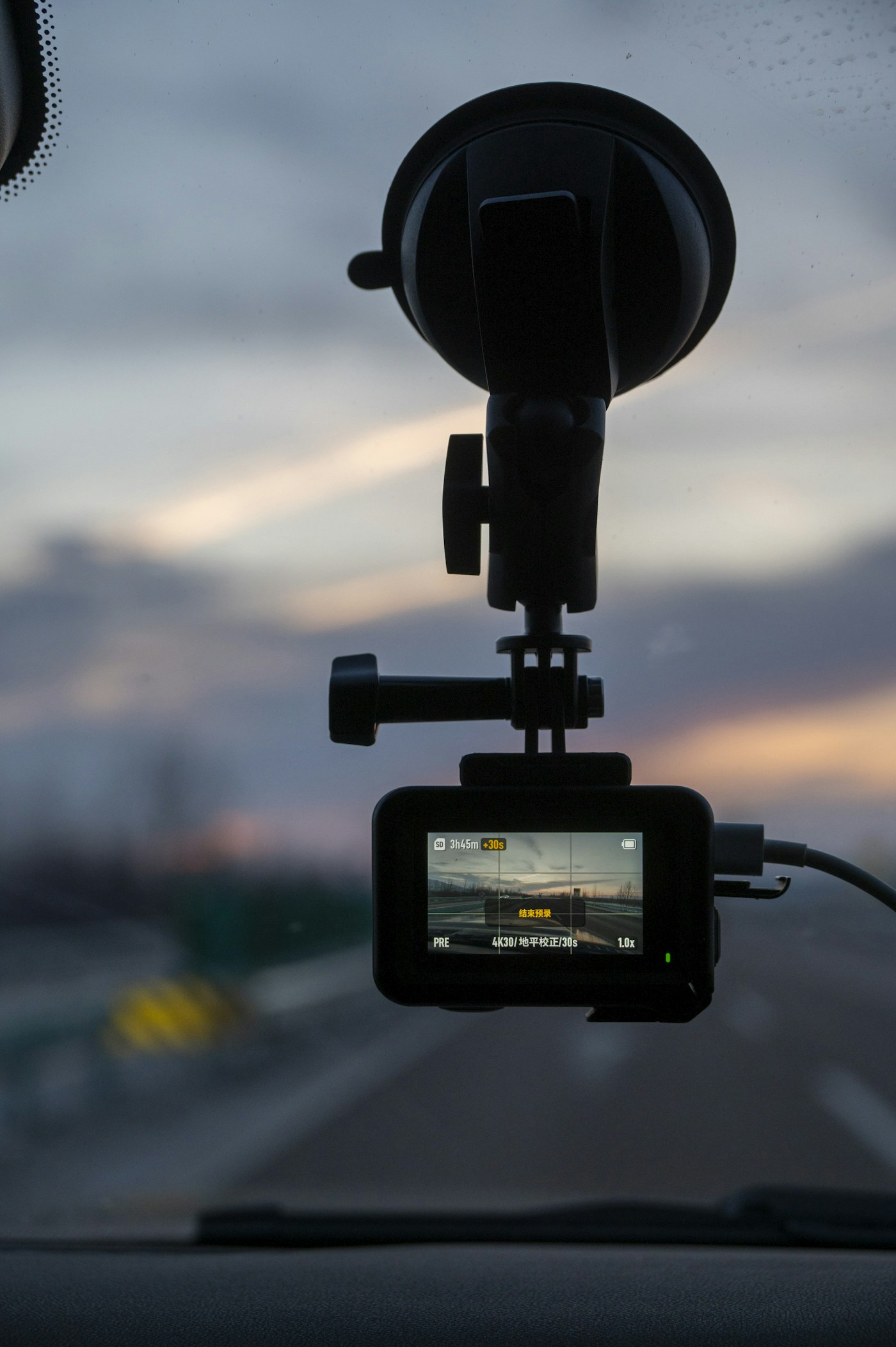
Dash cams have gone from a gadget to a must-have. They protect you in accident disputes, help with insurance claims and even deter vandalism when parked. But with so many options, which one should you buy?
Front-only dash cams
The simplest and most affordable option. A single camera records the road ahead — which covers most accident scenarios. Great for daily city commuters on a budget.
Dual (front + rear) dash cams
A second camera records through the rear windscreen. Rear-end collisions are extremely common in traffic, and a rear camera captures exactly what happened. This is the setup we recommend for most customers.
360° and multi-channel systems
These cover the front, rear and cabin — sometimes the sides too. Ideal for cab and fleet owners, or anyone who wants complete coverage.
Features that actually matter
- Resolution: Full HD (1080p) is the minimum; 2K or 4K makes number plates much easier to read.
- Night vision: A good sensor makes a huge difference after dark.
- Loop recording: Automatically overwrites old footage so the memory card never fills up.
- G-sensor: Locks and saves the clip automatically when it detects an impact.
- Parking mode: Records bumps and motion while the car is parked. Needs a hardwire kit.
- Wi-Fi / app: Lets you view and download clips on your phone.
Why professional installation matters
A dash cam with wires hanging across the dashboard is distracting — and can be unsafe. We route cables neatly behind the headliner and pillar trims, and hardwire to the fuse box with the correct fuse so parking mode works without draining your battery.
Want This For Your Car?
Visit our studio or message us for a free consultation and quote.